






About the Game
Football Manager, but every match is a dungeon and your players can die in it.
You run an adventuring guild in a realm that lost its king. Sign delvers, swear them to a term of years and send them into the dark. Win enough and you take the Crucible, and hold the realm until somebody takes it off you.
Heroes die. Dynasties rise. The realm remembers both.

Every fixture is a dungeon
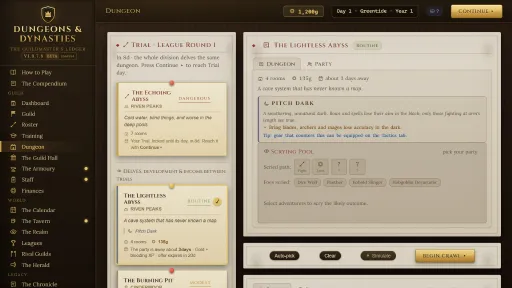
There is no match engine. Each delve is built for the day, and in the Trials a rival guild goes into the same one. If they make it to the final room, you fight them there.
You never click an attack. You pick the party, set their orders and kit them out, then you watch. Flooded ground slows your fighters and pitch dark ruins your archers, so who you send matters as much as how strong they are. Nine classes, ten races, and a party that grows from four to six as you climb six divisions.
People, not numbers
Every delver arrives believing something, struggling with something, and swearing to do one thing before they are done. Most never manage it. Sending the right one on the right work, year after year, is how you find out who they are.
They make friends and grudges underground. They sign for a term of years and come back asking for what they are worth. They pick up scars, retire, get sold, or do not come home, and the dead get a memorial card with their own sigil and epitaph. The Dungeonborn are the ones that you bring back.

A realm that goes on without you
Seventy-two guilds hold seats in 36 towns across seven lands, so you share a street with somebody who wanted to better you before a fixture was ever played. Rival halls sign, sell, rise and fall. Wars are called and the realm remembers who marched. Beasts roam the roads, and below everything the Deep goes down further than anyone has been.
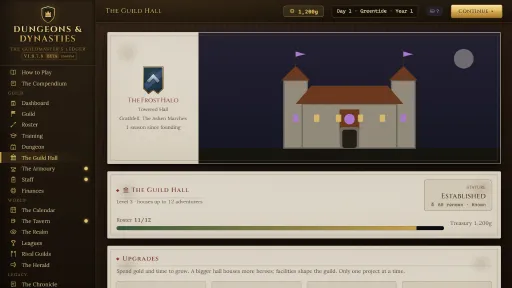
Your own hall stands in a real town that you can build up, defend, and one day watch your retired delvers settle in.
The Chronicle
Your guild has been writing it down the whole time. Open the Chronicle and the dynasty is there as a story, season by season, with the fallen and the legends who made the place what it is. Everything in it happened in your save.
Play it your way
Climb from the Backwater or start higher up. Take a patron's backing or go it alone. Stack any of the founding terms you like, from Ironman to a guild made entirely of beasts, or play Cozy Mode with no league at all and simply run the guild.
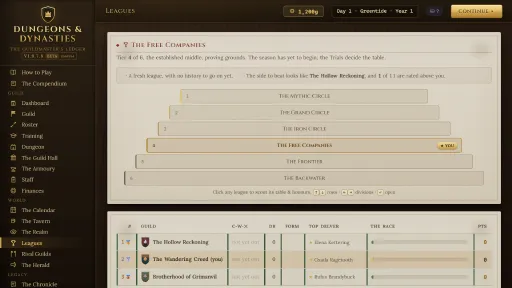
72 rival guilds, six divisions, a cup and the Crucible
A full transfer market, with free transfers, loans, poaching and fire sales
Training, a youth academy and mentors
Your hometown to build up and defend
Vows, families, scars and permanent death
Over a dozen founding terms that all stack, and Cozy Mode
Twelve languages besides English
The dungeon is waiting, Guildmaster.
Screenshots
8 images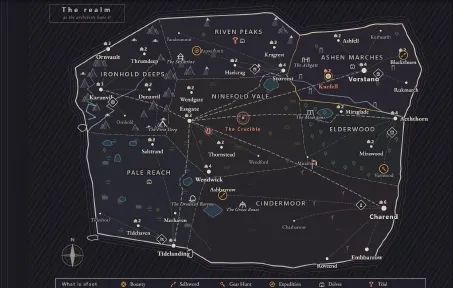
Version Information
Steam Patch Notes
Official update history
Updates derived from Feedback and Conversations from Discord & Stream Discussion.
TL;DR
Grudges: delvers can hold a loss against another guild, and a new Term, Long Memories, lets whole guilds hold grudges against yours.
Every new injury says what caused it.
Rival guilds buy into open beds, so the Backwater no longer fills with castoffs.
A fairer first Trial for every new guild, Makes the start a little easier.
Switch entries of Day Book on and off.
Full List of updates.
New
Grudges. When kin, a partner or a close friend falls in a Trial against another guild, or a friend is sold to one, a delver may hold it against them. A grudge cools bonds, slows teaching, weighs on a delver before a Trial against that guild, and can make them refuse an order to withdraw.
Delves together and Have a Word soften it; the Unforgiving never let go.Long Memories, a founding Term: grudges come three times as often, rival guilds hold grudges against yours and pass them to their heirs, and a guild with a grudge will not trade with you. Your founders arrive with old grudges of their own.
Wounds say why: the room, the knock made worse, the Triage Call, the war or the brawl(An event), on the delve report, the hover card and the Roster.
An injured rival delver is marked as injured, and arrives with the wound when you sign them. Before, it vanished. (Injuries can be seen on delve report for Rivals)
Alerts in Settings switch each kind of Day Book entry on and off. Nothing is deleted.
Race and career stage filters on the Market, and a Veterancy column on Search.
Unsworn delvers can stand in a watch, with their own squad card, So can be utilised for quick picks for delving)
A retiring veteran's council offer shows who holds that calling now and how they compare.
Fullscreen is remembered between sessions
Click the version badge to copy it for a bug report.
The Chronicle's current year fills in from the first day rather then populating at the end of the year.
Changed
Rival guilds keep one or two beds open and buy into them; anyone left over joins the Wanderers instead of leaving the realm.
A new realm opens with Wanderers on the road, so rival guilds can sign in year 1.
Every new guild meets a weaker guild in its division in its first Trial.
Established founders are stronger and start in rare kit.
Let fate choose the rest now picks a better draft.
"Lowest-HP foe" is now "Most hurt foe": the foe with the least share of their health left in orders/gambits
Shieldwall order takes slightly less damage while its front stands.
Guild fights are even: both sides' archers and casters now read the other side's Positioning. Before, it favoured your guild to the rivals so the rivals get a slight buff
Guardians and Paladins can be honed for Threat.
The delve odds appear faster.
The patron counts the Counting House strongbox for finances
A delver kept from a war says so
The Dungeon tutorial has been updated, and the Day Book leads with the day's result.
Several blurbs and lines are reworded.
Fixed
The Cup and Crucible fight window no longer shakes, and fits smaller screens better.
A delver already let go could still be sold.
Oaths for delvers who had died or left could hold the clock for good.
Rival guilds' purses could run deep into debt on long saves and freeze their market.
A milestone ceremony could be lost, a Fog reading could show six stars, and Key stats could vanish on the Training Yard.
Smaller fixes to the Crucible bye, the Chronicle, Tavern cards in Russian and Crowned story term.
Translations
Every new line is in all twelve languages.
TL;DR
Crowned: a new Term where the realm shrinks down until one guild is Crowned.
Borrow a rival guild's spare delver from the Market. (Loans!)
New Search and Transfers tabs on the Market.
Three new Terms for the pace of the year to give players more time.
Quests now pay double.
New
Crowned, a founding Term: divisions leave the realm, then guilds, until the one at the top is Crowned. Fail to climb in time and the run ends.
The Pace of the Year: Swift Roads, Out of the Open and Shorter Trials give you more time between Trials.
Borrow a rival guild's spare delver; they go home stronger, and their guild is weaker while they are away.
Search lists every delver in the realm, and Transfers shows every deal the realm makes.
After a lost or drawn Trial, the Master-at-Arms says (If you have one!) what went wrong and takes you to the fix.
Hover an item's worth to see why it is priced as it is.
Thrifty, vain and superstitious delvers now care about the kit they carry. Suggested by Kromash.
A searched wagon shows what you found.
Squads for Cup ties and the Crucible.
An Idle column and Delves served on the Roster.
Changed
No coin from the dark now pays its way through quests and war chests.
The Healers & summoners first order now works against other guilds, for both sides.
A kin-led patron minds a borrowed delver of another kindred, as it does a signing.
One kindred is chosen on the charter page, and One homeland founds your guild in that region.
A guild sworn to one kindred is never offered another guild's chair.
Events that say a town will remember now change your standing there.
The Long War spreads its campaigns more fairly.
A guild in crisis lists only its best delvers for sale.
A delver the road keeps is missed on the day they were due home, with a send-off.
The side rail, the date and the phone top bar fit small screens better.
The Chronicle tells a change of chair more clearly.
The Market opens faster on long saves.
Fixed
Rewards on the road ran backwards: low divisions met the richest wagons and the hardest ambushes.
Russian and German save names no longer print one letter per line.
A delve no longer warns about a commission or a Cup round it would not miss.
Order menus and tags fit their boxes in every language.
Rival guilds founded at the turn of the year now start with delvers properly.
Cozy guilds are no longer told to win their division.
Small fixes to the founding renown charge, the Armoury's Worth sort and the Gate Book's dates.
Translations
Every new line is in all twelve languages.
A large pass of corrections, so the game's own words read the same everywhere.
This is everything that has changed since v0.212. Every new line of text is in all twelve languages.
Some new things added will be for bigger plans down the road but starting off now to ensure things are implemented correctly
The Library and old halls
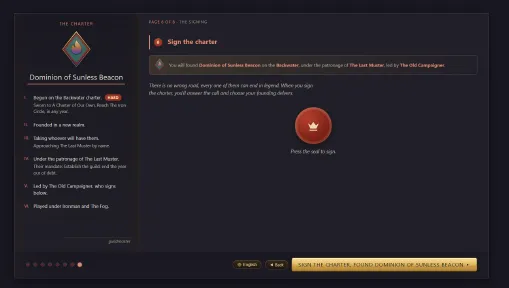
The founding book is eight pages. Page 3, The Library, is a bookshelf holding Start a New Realm, your ledgers (the save slots, and any backups added this sitting) and the shelf of old halls.
[img src="{STEAM_CLAN_IMAGE}/46279753/e52a77cdb53aa1556ee132904ea2ef8ecde389a9.png"]Found a new ledger inside an old ledger's realm. The new guild takes over that realm at the head of its year: every guild, roster, master, champion and Wanderer, the Herald and the map, with that season's table cleared. The old ledger is only read, never changed.
Your old guild stays in that realm as a marked rival and keeps its own crowns. The new guild takes the weakest place in its division; the weakest guild of each division below goes down a step, and the last one folds.
Old halls come back as rivals. Taking another guild's chair, or laying down the ledger, asks who runs the guild you leave: a delver (those sworn to "A Hall of Their Own" first, who keep the vow) or a master the realm appoints. That guild goes on the shelf, and after a change of chair it stays in this realm as a marked rival.
Bring in up to three ledgers from the shelf on page 3. Each replaces the rival nearest its strength, in the division its strength earns, and plays as an ordinary rival (its master can be sacked). The charter names them.
Settings, Keep a ledger of this hall: a copy of a guild you are still playing, to meet in another realm.
Share a guild with another player. Hand over its ledger writes a file (also shown as text). Add a ledger from a file reads another player's guild, or any ledger backup, onto the shelf. An edited file is accepted and flagged.
The league table marks an old hall, and the Herald and the Day Book report its promotions, drops, a Mythic Circle win and a fold.
Lock a ledger. Each ledger on the title screen has a Lock button. A locked ledger cannot be erased, abandoned or restored over, and the game still saves into it. A ruin or an Ironman end in a locked ledger founds the next guild in a free slot.
Saves are compressed in storage to about a tenth of their size (a first-year save went from 1.25M characters to 128K).
Training presets are kept on this computer. A ledger you open takes in the ones it lacks, by name, and never overwrites its own.
Veterancy ceremonies
Roadwise, at veterancy 7. When a delver comes of age in your guild, the game stops for them. Their record is read back and you choose one of two cards: Who They Are Becoming (a new trait, within your charter's trait rule) or A Vow for the Years Ahead (a new vow, or a standing vow sworn again and worth more when kept).
The cards are fixed per delver, so a reload never changes them.
Grizzled, now at veterancy 10. Three cards: a Second Calling, the class's own signature deepened, or one of four gifts.
The Second Calling is a second signature move of a different kind. Guardian: Shield Bash. Paladin: Lay on Hands. Warden: Stand Fast. Blademaster: Whirlwind Edge. Arcanist: Arcane Lance. Ranger: Volley. Cleric: Smite. Druid: Thornburst. Bard: Mocking Verse.
The Second Calling has its own order line in the orders editor (on whom, when, and on or off). It takes none of the five slots.
The deeper art makes the delver's own signature stronger. Guardians and Paladins are braced after each shout: 15% less damage for 6 seconds.
The four gifts: Not Yet (the Fade comes two years later, and slower), Hard to Kill (once a delve, a blow that should put them down leaves them standing), The Old Hand (their ceilings rise) and A Steady Word (a party they lead carries a quarter less stress).
A delver already past a band when you update is not stopped for. Simulate and the Long View choose for the delver, and rival delvers take a card too. Each ceremony writes a Chronicle line.
Deed titles and what a delver remembers
Deed titles. Enough killing blows on one kind of foe earn a delver a title for life. Fourteen kinds, fourteen titles: Linebreaker, Skirmishbane, Fangbreaker, Ratcatcher, Ironbreaker, Spellbreaker, Shadowbane, the Unmender, Hexbane, Circlebreaker, Giantfeller, Tyrantsbane, the Dreadless and Fiendslayer.
The guild numbers each title as it is given (Ironbreaker, then Ironbreaker II). Expect about one a guild a year, the first usually in years 3 to 6.
Titles show on the hero sheet (with the nearest one still to earn), under the name on the Roster hover card, in the Hall of Legends and in the Chronicle.
Two new vows, A Name in the Dark and Every One Counted, are kept the day a delver earns a deed title, with the same vow-kept card as every other vow.
What the hall remembers. Each delver keeps a record of their time with you: a founder, or a Greenhorn who grew up here; the worst delve they walked out of; the first head on the wall; the pupils who still serve; the promotions and league titles they were there for; and the Trials fought and missed. Two lines on the Roster hover card, all of it on the hero sheet.
The "Never missed a Trial." epitaph now checks the real count of Trials fought and missed.
At the turn of the year the Herald names each delver who has newly reached a rating of 100, at most three a year.
The Crucible
A wager on the crown. Once, before the Quarter-finals, back any of the eight at odds set from the field (x1.5 to x30), staking up to a tenth of the treasury. The odds on your own guild are capped at x4. The wager settles at the Final on whoever really lifts the crown.
Knocked out, you can watch the rest. Watch the rest fights each remaining tie in the arena with both guilds' own sides, orders and plans, and the fight decides the tie. Skip the rest leaves them to the roll.
The Crucible from the stands. A guild that did not qualify can place the same wager, watch from the Quarter-finals on, or skip. Watching can change who wins, and the realm's record follows what happened.
A skipped Crucible shows every tie and the crown on a results page before the year's end.
The watched Crucible plays in one arena. Each finished tie stays on the board with its result, Watch the next tie sits where Continue was so the mouse stays put, and Skip the rest is beside it.
The crowning. However the Final is decided, the camera travels to the Crucible in the Ninefold Vale, last year's champion is struck through on the roll of champions, and the new one is written in beneath with their arms. Enter or Space skips it; with reduced motion it shows whole.
Each guild's division shows beside its name on the bracket and the wager. It is the division the guild qualified from, not where promotion has since put it.
The year review's first card now reads "First in the realm" for the top of the Mythic Circle, and the Long View names the Crucible's real winner.
Wars
The war plays first, then says how it went. The replay opens the result screen. The verdict, the fates, the spoils, the muster and Salvage wait until it ends, played or skipped.
Salvage the field. Once after a war, those who came home may pick over it: +12 fatigue and +6 stress each (the greedy take neither), for one piece plus one for every two survivors, up to three. 85% common and 15% rare, never a relic, all in battered condition.
A Pathfinder among the salvagers turns a common piece rare a quarter of the time.
Salvaged gear says so: a common piece shows "Salvaged" where its grade was, and a rare one carries a tag by its name.
A full muster spares the kin left home. Send every place the muster has (or everyone at home, when fewer can march) and the kin who stayed lose no morale or loyalty and cost no renown. The war screen says so the moment the muster is full.
March the kin now picks delvers marked Rest last, as every other automatic pick does.
The Herald has a War filter, and every war writes one line on the realm's muster.
Wars on several fronts: two wars close together are never fought in one region.
The Hearthgrown spare their young: holding back from a war costs half the renown and no patron confidence. The house's description and the war screen say so.
Charter rules
New rules for a charter of your own.
Children of War: after a war, a delver who came home may bring back a child from that region (5% after a win, 15% after a loss). Raise them in the guild (the one who carried them becomes their teacher), place them with a family in your town, or send them back to their own people. Years later the child comes of age Haunted, with kin in the war's region.
Unannounced Wars: the year's three war days become commissions, and each war falls on a day of its own, called by the Herald five days before. Wars pay 20% more, 25% more again for a full five, and holding back costs half when every delver was away.
More Wars: six wars a year, two of each kind. The extra three always come called.
The Long War: one war a year (two under More Wars) is a campaign of five to eight battles, four to six days apart, in the war's region. Each battle carries 35% of a war's danger and 40% of its purse, and adds 10 fatigue to those who march. The campaign is won on most battles, and its marks on the world wait for the last one.
Sworn to Honour and No Questions Asked: only delvers of honourable, or of ruthless, conviction may join. The two cannot be sworn together.
The Green Road: every Greenhorn at the yearly intake is taken first, as far as the berths go.
The Old Blood: a founder is never sold, let go, lent, listed or released, and the realm does not bid for them.
The Dying Fire: the guild never parts by choice with its last Veteran or Twilight delver.
Raised Here: only the yearly intake and the guild's own children may join. The Tavern, the Market and the Wanderers are shut.
The one great hope: one founder is born to five stars, as young as their people come, and a Late Bloomer. The draft's last slot offers them alone.
One homeland: founders, the draft and every newcomer are born in the region you choose, and anyone born elsewhere is turned away.
Rules that clash cannot be sworn together. The founding sheet greys a clashing rule and says which rule it clashes with.
The rules are grouped on the founding sheet (who may join, who they are, who may leave, the dark, war, the hall), each group saying how many of its rules are sworn.
Of One Mind: each trait's description shows on hover in the picker, and the chosen trait's is written beneath it. The picker now sits in its own group.
Founding terms
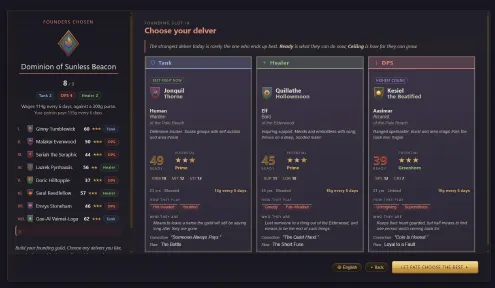
The Terms page is redone. The Realm as It Is runs across the top, then three groups of equal cards: The Stakes, The Hall and The Realm's Stories. It fits a 1920 screen without scrolling.
Cook the Books asks whose books: Your hall, Rival halls, or Both.
With rival halls, now and then a rival guild near your division keeps a second book. The Herald carries only the signs (coin nobody can account for, a delver walking out, the Archive's clerks). Once a year you may name one guild to the Archive: name the right one and its strike is likelier and pays you renown; name the wrong one and it costs renown and ad blood.
A House's Ambition, a new term. Now and then a house that does not back you takes two guilds of a region into its colours and sets its seal on that region's contracts. Bring home three contracts from the region in its first year and it comes away with nothing.
If your guild stands in that region, the house asks you to take its colours (never in Ironman). Accept and it becomes your patron, with a year's grace. Refuse and those two guilds bear you bad blood.
While a house that is not your patron holds a region, its contracts pay four fifths, its towns send their commissions to the house's guilds, and if it holds your own region after you refused, your upkeep is a fifth higher. Five contracts brought home from the region in a year break the hold.
Patrons and houses
House lore. All 63 patron houses have four lines: who they are, what they are and what they want. They show on page 4 of the founding the moment a house is named, on a rival's hover card, on the hall card, and in a new Patron Houses section of the Compendium, grouped by ideal.
Kin-led patrons send only their kin. The Tavern, the yearly intake, the generational hopeful, a returning ward, a newcomer from an event, a lifeline rally and the Power Fantasy star all follow the house's kindred (and a sworn second kindred), vow or no vow. A half-orc house's yearly hopefuls were 4 in 42 its own kin; now every one is. Signing another kindred from the Market stays your choice, at the usual cost in patron confidence.
The sole-kin vow now also shuts the Market, the Wanderers, approaches and swaps to other kindreds.
The aspirant oath no longer charges the kin grievance a second time after the intake has.
The founding renown target scales the same way (x0.85 patient, x1.25 hard), with a floor of 25 for a patient house, 30 for Take what comes and 40 for a hard patron.
A new master after a sacking or a takeover comes from the same backing, so a patient house is never followed by a ruthless one.
A house approached by name is capped at rare, as the dealt cards are; it could come mythic or legendary.
The Old Guard, a new house. Its Tavern leans to seasoned delvers, it asks you to answer two of every three wars the realm calls, and at war the vanguard earns +2 patron confidence while the reserve costs 3. War is a new demand you can choose at the founding.
The Last Muster, a new challenge house for the Old Guard. Six wars a year, each called five days ahead, two of them Long War campaigns, and every one must be answered. No yearly intake, a Tavern of only the seasoned, veterans and those in their twilight, and wages 15% lower. Its seal is The Unbroken Line.
No rival guild is ever backed by Locke Nuz.
A change of chair clears the Tavern board for the new house. The old board, mostly the old house's kin, stayed up for as long as four weeks, and every signing from it cost confidence with the new house. The guild left behind keeps its patron and its kin.
Guildmasters
Ten guildmasters to choose from (was four), and the names drop "The".
Old Swordmaster: +40% from all work in the Training Yard.
War Captain: +30% renown and coin from wars.
Hedge Herbalist: a level 1 Stillroom from the first day, and +50% makings for it from delves and the road.
Court Envoy: your patron's faith starts 15 higher, and any loss of it is cut to 60%.
Old Wayfarer: +25% coin and renown from quests, and every quest party home a day sooner.
Master Mason: -15% upkeep on the hall.
Job offers and the Chronicle
Job offers come at most once every three years, taken or turned down. From renown 100, one used to come at almost every turn of the year.
A master sacked in the middle of a season can now bring an offer too.
The Chronicle follows you across a change of chair. Each year records the guild it was played in, the saga counts your whole career, names people of a guild you left "(of ...)", tells the move in the Story and marks it in the year list.
A delver entrusted with the guild you leave keeps "A Hall of Their Own" on their sheet, is named in the chair cinematic and gets the Vow Kept moment. Anyone else sworn to the same vow and passed over gets a Day Book line.
The Chronicle is a place to explore. A strip of every year, marked for a title, a climb, a drop or a death, jumps to it. Eras older than the last two fold to a line, each year carries its headline, and names open the delver, the Hall of the Fallen or of Legends, or the rival guild.
Follow one delver shows only their years, with their name marked.
The Chronicle keeps the realm's other Opens as one line a year, on screen and in the exported saga.
Morale
A delver says why they feel low. Every knock to their spirits is remembered for 60 days: grief, a friend leaving, a guildmate sold, a payday in the red, a lost Trial, a bad road, terms refused and more.
Below Content, the mood hover on the Roster, the send-off, a rival's approach and the hero sheet open with the one or two heaviest reasons, in their own words ("Still raw about Mira."). Never a number.
A low mood eases. After 7 days without a fresh knock, morale climbs a point every second day toward 55, never past it.
Watch-mates bond faster. Two delvers on the same watch who delve together grow close 50% faster and have more moments together on the road.
A deadly year frightens recruits. With four or more of your own dead in the last realm year, the Tavern board shows one fewer face and weaker recruits, says why, and eases as the deaths age.
Decision pop-ups (a rival's bid, a delver asking to be listed) show the delver's mood and worth. Their sheet opens the full sheet, and a bar brings the decision back.
Staff and the Yard
Staff skills work on their own. Every specialist of skill 50 or more has their calling's skill at work on top of their standing bonuses, with no toggle and nothing traded for it. The Staff card names the skill, locked below 50.
Every skill sharpens at 80. Triage Call: the delver saved comes home badly hurt, not gravely. Retrain: 1.75x (was 1.5x). Open the Books: offers for a listed delver a tenth higher. Read the Rival: names how the other guild set up. Commission: choose the piece's kind (Keen, Heavy, Plate, Leathers and so on).
The Commission card is in the Armoury: who it is for and which piece, then what is on order, when the caravan comes, Change and Cancel. The rack says where Commission is set.
Retired delvers on the council keep their traits. A trait that suits the seat counts for 10 skill, and the line they held gives one small bonus: a tank 3% less death risk, a damage dealer +3% growth, a healer +5% recovery.
The council and the employed staff are one row of cards.
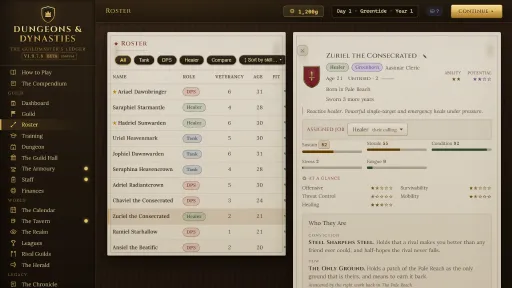
The Mentors tab in the Yard, after Training. Every tutor in a fixed row with their class, what they teach and how full their class is. Every delver set to Mentored has one button per tutor at home: the lit one is who will teach them, and pressing another pins that tutor. Back to Train takes a delver off mentoring.
A pinned tutor outranks a mentorship bond while that tutor is home with room. The old per-calling tutor picks are gone.
The auto-rest slider, Settings, Gameplay: when Auto rests a delver, from 40 to 90 fatigue, with condition and stress moving with it. The default, 70, is the old line exactly.
Auto-train rests the worn even when the Yard is full, and sets anyone nothing else reached to Rehearse.
The Yard's order buttons sit in the same place on every row, whatever the names.
The Train hint no longer explains Hone.
Trials and the league
A retreat is a draw only from the final room. Turning back earlier is a loss, and the other guild delves it out on its own. The Retreat button says so in a Trial.
The round report shows both guilds side by side: how far your party got and what the other guild did, each with its own result and points.
When the two parties never met, the delve report says how far the other guild got.
A guild stopped on its own way in cannot win. If you were wiped and they were stopped too, both take the loss.
The fixtures list shows each guild's own result when the two records differ. A loss reads "Lost", not "Wiped".
A promotion or drop that changes the squad size says so in the Herald and the Season Review.
Squads on the delve screen. Each watch with members, and each saved party, is a two-line card: the name, how many can go and their class marks. One press fields the squad, and a hurt seat goes to the best stand-in.
An Established start opens on the front foot: its delvers arrive Rising, not raw. It had opened below its division's average strength in nine seeds of ten.
Rival guilds
One trade a year. A delver who changes guild in a rival trade is not traded again until the year turns. One in five used to move again.
The Herald names both halves of a rival trade: who went up, and who came the other way.
Why the bad blood. Every change to rivalry heat is recorded with its cause (sniped contracts, poaching, finishing just ahead, sharing a city and more). The Rival and Nemesis badges list the causes on hover.
The hall card. On Rival Guilds, a rival's name opens a card of everything between your two guilds: your record against them, the bad blood cause by cause, the delvers who moved between you and for how much, the wars they stood beside you in, and what has passed between you, dated.
The selected guild on Rival Guilds is one labelled list: Drawn, Master, Led by, Backed by, Plays, This cup, This season, Against you, Missing, Beside you and The Archive, each row only when it applies.
Backed by names the house, and its lore is on the hover card.
Combat and dungeons
Cover. The overturned wagon is the first terrain on the battleground. Nobody stands inside the wagon or its crates, and a ranged attack whose line crosses one is caught 40% of the time, forboth sides. The Account says so.
A fighter's card in battle. Hover a fighter on the board for their name, health and what is on them, with the seconds left: taunted and by whom, hexed, braced, guard open, off their orders, guarding or covering whom, shaken, enraged. The delver cards under the board carry the same lines for keyboard and screen-reader players.
When a delver gives ground, the Account names each ally it shakes, once a fight.
More for the Stillroom. A room the party passes has a 3% chance to yield one of the region's common stores, for a guild with a Stillroom.
The delve report says what came home for the Stillroom, and what the party set out with from the shelf as provisions.
The realm
The overturned wagon varies: gold from its strongbox, Stillroom makings from that road's country, or a piece of kit.
One wagon in eight is a trap, fought on screen beside the wagon and its crates. Won: what the ambushers carried, a day late. Lost: shaken, and two days late. Left unfought when the day turns, it is fought out of sight.
Every region plays its Open. The other six are decided at the turn of the year, and the year review lists all seven winners with their divisions, your own region's Open included (your guild marked when it won).
The cairn. An offering raises the fallen's guild's regard for yours. A cairn for one of your own is never passed by, and those who served beside them take a bigger lift to morale and stress (14, against 6).
A place on the map pays a hoard when cleared: two delves' worth of gold and a piece of kit (rare or better seven times in ten, with a small chance of a named relic). The memento stays.
The realm map names its delves. One mark per delve and per posting, each placed beside the country it is made of. Clicking a delve's mark opens the Delves screen on that delve.
A Realm card on the Dashboard, where Fallen Delvers was. It opens the realm map and lights up with "+N new" when a war, a beast, a place, a road mark, a delve or a posting has appeared since you last looked. The number reads Points of interest.
The fallen line moves to the Delvers card and opens the Hall of the Fallen.
Simulate
Simulate Season answers every card itself, except the Deep, a calendar note, the Crucible, the year's review and a Cook the Books choice. It no longer stops for job offers, road beasts or marks on the roads.
Simulate no longer leaves staff offers, heirs, loan requests, intakes, oaths and the like queued for the end.
Interface
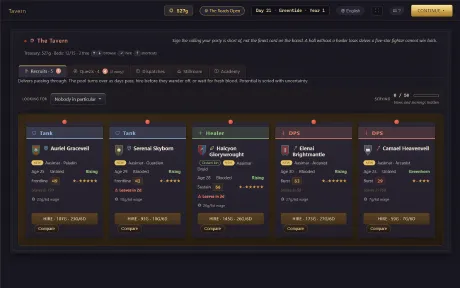
Tavern notices line up part by part across the row, and Compare sits inside the card. Distant kin has its own line.
Settings, Your dynasty: each part is its own group, its note above its buttons.
Clear all seals, in Settings, Your dynasty, if you want to collect them again. The confirm warns that the crest pieces lock again.
The founding's demands show every option's note, in one column.
A fogged range of stars fits its card on the founding, intake and aspirant cards.
The Gate Book's departure rows say where each delver is today: back with you, on your Tavern board, a Wanderer, or with another guild.
A trait's tip now says which attribute it is linked to, and that it does not change the number. The Compendium's "Shapes:" reads "Linked to:".
With a delver's sheet open, the Roster's Form words move into the hover and only their marks show, so the column no longer runs past the panel (furthest in Russian). Rival and item names cut short show in full on hover.
A long name on the rival roster stays on one line with its marks.
Screen readers: the confirm box is announced as a dialog, and every mark on the realm map has a name.
Fixes
Review the fight did not appear after a Trial under a dungeon condition.
A rival's crest could change its centre piece between screens, most often in the table after a round
Below sixth place, the table after a round drew your own guild with a rolled crest instead of the one you built.
A Cozy guild lost renown every year for finishing last in a league it does not play in.
The Mythic Circle refused signings as "above your division". The division cap no longer applies at the summit.
A ward whose mentor was killed at war or on a quest did not come of age Haunted, as a delve death always made them.
The delver the Triage Call saved went through the ordinary after-delve injury roll as well, and the card said "badly hurt" for a grave wound.
The Chronicle could fail to open when a guild's first year turned with it open.
Two parties home on the same day could drop or double each other's lines in the news.
The Roster profile's close button sat past the panel's edge.
The founding sheet now keeps the chosen trait as it changes.
Guides, text and translations
How to Play: the mandate tip says "a hard patron", as the founding does, and the Market card explains what a kin-led patron sends. The Compendium and the tour describe staff skills as they now work.
42 more events rewritten in plainer English. All 94 titled events have now been through the pass.
Seven lines that gave a loose multiple now give plain numbers (50%, or twice as hard), and Power Fantasy says delves pay 50% more.
Incorrigible's description is rewritten.
Portuguese: menu labels without articles ("Calendário", not "O Calendário") and a better prodigy line.
This is everything that has changed since v0.211, in full. Every new line of text is in all of the games languages.
This is likely the last Patch that adds things before Next Fest so I may have added a fair bit ahead of the Early Access release to ensure returning players have more tools to play with. With things like the Charter's let me know any rules that you want added to this, If it's in the game it likely can be set as a rule.
Staff
The Staff page is rebuilt. The council as a table of five chairs (the Envoy's chair and the four seats), one facts strip for seats, wages and calibre, and cards you can compare: each candidate says how they compare with whoever holds the seat.
The good ones stand out: each card leads with its skill, large, and its calibre in the gear rarity colours. Each role keeps its colour as a light wash on its card. The Envoy is now blue, clear of the Master-at-Arms' red.
Five to hire, one of each calling. The seat count includes the Envoy's chair (5/5).
The Tavern shows your council's scrying as a reading against the 50 it takes to read a recruit's vow or leaning, while it falls short.
Dismissing the specialist you just signed is the free undo; its confirm says it costs nothing.
Staff duties. A specialist of skill 50 or more can give up their standing bonus for a duty:
Physician, Triage Call: once a realm year, brings back the most seasoned delver who died after a delve, gravely wounded.
Quartermaster, Commission: name a slot and a delver, and the next caravan brings a piece for them at the best grade the Quartermaster can get.
Master-at-Arms, Retrain: a delver learning a job outside their calling learns it 1.5x faster, and each season they name who would serve better in another line.
Envoy, Open the Books: a listed delver draws more interest, and private offers come to you on the Buying board.
Loremaster, Read the Rival: says before a Trial whether that guild reads your side.
Rivals read you back. Your last five Trial sides are on the record, and some guilds (never in the bottom two divisions) read your usual side and set up against it. The Day Book says so after the Trial.
Ways to play
Cook the Books, a new founding term: a second book under any patron. Its patron writes a line every year and asks once a year; "A Better-Looking Season" offers a line for patron confidence or coin. Once a year above 100g, the Auditor's Price: a fifth of the treasury halves the Archive's chance, but one time in ten the auditor reports it. A guild that signs every year is caught about half the time by year 13. It cannot be taken with Cozy Mode.
When the book is found, a cinematic plays: the opening, run backwards. Each page ignores clicks for its first second so it is not skipped by accident. The strike is written in the Chronicle.
The Citizens and Cook the Books: Simulate stops for any choice that writes in the book or pays a bribe, the Guild screen gives the book its own card, and the Season Review states its lines and odds.
Difficulty in the dark, Settings, Game tab: Quiet (the default and the floor), Stirring, Hungry and Rising. Creatures get +20%, +30% or +45% health and +4%, +8% or +12% damage, in every delve in the save, rivals included. Contract gold and delve experience rise 2%, 4% or 6%; a Trial's prize does not change. Cozy guilds gain delve seats. Ironman can only go up. A change is written in the Day Book once, when you close Settings on a new step. The steward suggests a step after ten clean contracts or a bad ten, at most once a year.
Take a save into or out of the league at the turn of the year (Settings, Game tab). League to cozy keeps the guild's seat; cozy to league starts again in the Backwater. A challenge house keeps a guild in the league.
Guild job offers. When a rival guild sacks its master, and it plays at or below the division your renown reads, its house may offer you the chair. You move alone, keeping your renown and Chronicle; the new guild comes with its delvers, seat, season and house. The card shows both guilds side by side, including the kindred each house leans to. Simulate stops for an offer, and Settings can switch them off.
Locke Nuz plays by Nuzlocke rules: one name a season, no Wanderers, and you name each delver who signs. A delver still down when a delve is lost is dead; on a cleared delve they live, gravely wounded. Trials keep their mercy.
The Hearthgrown and the Unwritten no longer ask you to climb every year. After the first year out of debt, a side among its division's two strongest is asked to climb; any other to grow.
The Hearthgrown start with the Academy and their first intake waiting on day one.
Patron-changing letters no longer hand you to a challenge house, or change the patron of an Ironman guild or one with takeovers off.
The kin charge shows on the youth intake and oath cards, and an aspirant's first outing is now "sent out", not "blooded", so it no longer clashes with the veterancy step.
Charters, titles and seals
Charters, sworn at the founding beside any backing (league only), each with a sealed letter on the first morning:
The Last Lantern: the Backwater, four delvers and 150g, the Tavern and Market shut for the first season. Reach the third division up by the end of Year 5 to be named Lamplighter.
The Beast's Bane: bounties pay renown instead of coin. Kill three beasts of stage III or worse by the end of Year 5 to be named Banebreaker.
The Long Watch: delves and Trials pay no coin, only renown and standing; quests pay at Cozy Mode's rate. Win the Crucible, in any year, to be named Warden of the Watch.
One of your own: a name, an oath in your own words, rules chosen from ones the game already enforces, a purpose and an optional deadline.
Every charter heads its guild's Chronicle under its seal.
Titles. Reaching the Mythic Circle under a challenge house, or while keeping a second book, earns a title: Hearthkeeper, The Unrecorded, First of the Citizens, The Patient Hand or Keeper of Two Books. Winning the Crucible, the Mythic Circle or a region's Open records one too.
Seals on the title screen. Titles are kept across saves as wax seals in a tray beside the book, with the guilds that won each in the hover. An Open's seal wears its region's emblem.
[img src="{STEAM_CLAN_IMAGE}/46279753/4b2499fd8d4bd92199cfec1c92134e4375e669ef.png"]Crest pieces. Each title unlocks a charge (Key, Quill, Scales, Two Books, Hourglass, Lantern, Claws, Portcullis, Crown, Cup, Laurel) for every new guild's arms.
The Guild screen and the title screen's list of ledgers show how each guild is played: its challenge house, charter and terms.
Trials and the Crucible
A won Trial stays won when the boss then turns the party back. The renown, the Day Book and the report all count it as a win.
The Crucible shows its whole bracket: the four quarter-final pairs in the order you would play them, each guild with its division, and any guild can be scried there.
Scries bought in the season now count in the Crucible, which closes its year.
The guild you meet next shows, on Rival Guilds, the side it is expected to field against you.
The Trial card's foot lets you scry the drawn guild before you pick your side.
The Dashboard card leads with whichever comes first, so an Open two days away takes the headline from a Trial nine days away.
The round report shows only this round's lines.
Interface
Hover cards. Hover a delver's name in the Yard, the quest party, the Armoury or the Market for their Roster card. Another guild's delver shows as much as your guild knows of them. Cards lead with the role band and are always wholly on screen.
Role bands lead the founding draft, Tavern notices, youth intake and Oath cards. Draft cards keep their sections level across the row.
Long surnames are hyphenated or broken, never cut off.
Choose your keys. The keys that advance the day and a delve can be rebound, Space in a delve has its own switch, and the middle mouse button can take the delve's next step.
Calendar notes. Click a day ahead to leave yourself a note (80 characters). On that morning it goes into the Day Book, and the clock stops for it.
Kit for this delve takes off gear made for a condition the delve does not have, so it is free when one does.
An away delver's kit can be compared against the racks, and a renewal can open the full sheet.
The Compendium lists every weapon, armour and trinket kind and what it gives, and the Forge's Kind list shows each kind's note.
The orders screen says what a signature move does, with its cost and cooldown.
A new injury is reported in the Day Book and on the delve report. A delver with a light knock can be picked by hand again, and the fitness tips say "marked unfit" instead of "cannot be fielded". Condition, stress and fatigue are explained on the Roster, the sheet and How to Play.
The delve card says Guild wages: the whole guild's bill for the days away, paid whoever goes.
In the Fog, a draft candidate reads as the founder they are about to be, so the range does not change after the founding.
The founding Terms page fits on one screen, with Cozy Mode beside Dungeonborn.
A saved party fills a missing or hurt delver's seat with the best stand-in and gives it back on their return.
The crawl's party strip can show the most hurt first. A selected control shows gold in the dark theme.
The quest board says when a set-aside posting comes back. The quest strip stays on one row.
Dashboard planner and rival roster columns fit their contents in any language.
Fixed: the Tank pill in dark mode, the dark draft cards' matte film, the Honours board in older browsers, the Counting House buttons wrapping, a dungeon condition's roll note lost after a reload, the gap between a contract card's title and its New badge, single Oath cards squeezed narrow, Deep Cold snow now white.
The Forge Under the Hill event now puts a legendary weapon into your best delver's hands, as its line always said; what they carried goes to the racks.
The tour's planner step says what a Trial is, and "Load a Ledger" says it reads a backup file.
Guides and text
How to Play, the walkthrough and the Compendium are brought up to date with everything above, including new chapters on how a guild is founded and on charters and titles, and a walkthrough step on veterancy.
Nine more events rewritten in plainer English.
Spanish: ten bound-beast titles and a half-orc title that read like paperwork are rewritten.
Quest write-ups: mercy no longer spares the one creature a bounty was posted to kill.
Wars
The realm wins or loses a war together. The chance now stands on the whole muster: how many guilds answered, and how many contingents brought a tank and a healer.
Choose where your people stand: the vanguard (sways the war 1.5x, dies 1.4x as often, earns 1.4x the renown), the line (as before) or the reserve (0.5x, 0.6x, 0.6x). The debrief says when yours tipped it.
Every war is fought somewhere on the map. Its region is known ahead on the calendar, and a siege is named for the region's real chief town. The invented places are gone.
A war leaves marks. A Raid lost lets something through: a new beast at large in that region, and its work is riskier for a season. A Siege won with your people at the walls makes the town think better of your guild. Any war lost sends one or two people driven from the region to your Tavern.
Those who march together come home changed. Two who came home are closer; anyone who came home without one of theirs carries the grief, with a Day Book line either way.
A war wound is a wound. The front's wounded come home injured, and an injury they marched out with gets worse.
The realm remembers who stood beside you. The debrief names the guilds that marched beside you and those that stayed home. A guild that marched beside you leaves your delvers and contracts alone until the end of the following season, and Rival Guilds marks it as a comrade.
Watch the war. - You'll see, Be prepared once again for cutting edge graphics
Your story in the replay. Your people stand where you placed them with your allies beside you, and the war's hero is named.
Roaming beasts and the Hunt
A beast at large walks its region's roads and can stop a quest or delve party on its way. Fight it (a one-room fight under the region's condition, with the odds shown before you choose) or go round it (days lost, and 12 stress each). Killed, it is struck off and the party walks on.
The road fight is sized to the party it meets, Attempting it with a small party isn't the best choice you will make (You'll see odds before committing)
A beast grows with every escape, with no ceiling. A bounty naming a real beast gets riskier with each escape.
Rival guilds hunt beasts too, taking untaken bounties, so the realm's beasts change without you.
A bounty you win now kills its beast, with a Day Book line. Before, only a rival's could.
The Hunt. The day a beast reaches stage IV, the realm calls to arms, and five days later every guild musters against it: a second muster on top of the year's three wars. A harder beast is brought down less often. If it survives, the realm calls again 40 days later.
A Hunt won has a killing blow. If one of yours strikes it, they bring home a trophy made for their hands, and the beast's head goes on your wall.
Stage V: a Hunt that fails against a beast with five escapes or more razes the smallest town in its region. The ruins stay on the map, struck through.
Raise a razed town again, with gold (100g at a time from its entry on the Realm map) and delvers' days from a labour posting: 400g and 40 days for a hold, 700g and 60 for a town. The map keeps its history.
The beast's mark on the map is a red badge that cannot be mistaken for a town.
Beasts on the roads can be switched off in Settings, Gameplay. The beasts, their bounties and the Hunt stay.
Marks on the roads and marked places
What happens in the realm leaves a mark on the roads, and a party passing one can look into it or pass by. An overturned wagon (a find), a fresh cairn (an offering of 10g: morale up, stress down), an empty lair (a rare or mythic find and renown), a burned waystation (bury the dead; the town thinks better of you), the tracks of what came through (a bounty on your board) and a survivor (a recruit in your Tavern). Never a purse.
Marks are drawn on the realm map as small diamonds, and the Day Book says when one is left. Settings: "Marks on the roads" turns them off.
Delve parties now walk home by the roads, so they meet marks and beasts as quest parties do.
Marked places. Searching a wagon or a lair has a 1 in 4 chance of turning up a map; clearing a delve of tier 3 or deeper, 1 in 50. The place goes on the chart for 60 days, with a posting on the Quests board. Choose who goes (one to six); it is ten days there and back, with a two-room delve under the region's condition. Cleared: the map goes on your Honours shelf, and 3 renown. Clicking a place on the map opens its posting.
Battle plans replace doctrines
The doctrines are rebuilt from the ground up.
Five battle plans, laid over each delver's own orders and never replacing them.
Standard is the default orders, the tank's Cover included.
Blitz: damage dealers and healers open hard for the first 12 seconds.
Shieldwall: the tank and damage dealers hold their footing when outnumbered.
March: everyone paces themselves, and the party patches up 10% of its health between rooms. Rearguard: the tank guards, healers hold below 40% health and the back line is walled off; 40 to 60% fewer deaths, for 15% less damage.Each plan is tuned to win where its name says. Blitz is strongest in short delves and Trials, Shieldwall in the most dangerous rooms, March on long delves and in conditions, Rearguard wherever you would rather lose no one. Each plan's tip says so. But the delvers composition and personality will always be a deciding factor
A Plan row on the Armoury and every prep sheet. The orders editor shows the plan's rows above each delver's own five, under the plan's name, so you can see exactly what it adds. Nothing is written into a delver's orders.
Two new pieces for your own orders (Gambits): the "Open hard" stance (a single delver's Blitz in the first 12 seconds) and the "when outnumbered" condition.
Rival guilds fight with plans too, by the same rules.
Orders by class
Save orders for each class, as many as you like, by name. In the Armoury, open a class, pick a save and edit it, start a new one from the defaults, or give a save to every delver of that class at once. Each class row names the save its delvers are on.
[img src="{STEAM_CLAN_IMAGE}/46279753/4ac19bc3a15c9b74149424d6c15e0b28f132b669.png"]Saves are kept on this computer, so every new guild finds them. One Export and one Import carry them all as a single line of text you can share.
A name shared across classes becomes one of your own doctrines. Save "Boss" for several classes and it appears under Yours in the Armoury and on every prep sheet; pressing it gives each delver their own class's Boss orders. Classes without one keep theirs.
Delve prep and the Cup: put every delver of a class on a save at once, or choose per delver.
Saves carry the "Otherwise" order as well as the rows.
The Armoury can copy orders from any delver of the same role, away or unfit included.
A new guild asks which saves its founders start on. (So carry old orders into new games)
Every attribute now does something in a fight
Measured first: thirteen attributes did. Each now has a job you can feel, neutral at 10 and stronger above it. Both sides fight by the same rules.
Leadership: the seated party leader lifts the whole side and scales its plan. A rival side in a meeting is led too.
Bravery: less damage taken in the front line.
Decisions: a faster attack, and the signature move comes round up to 15% sooner.
Composure: the clutch boost starts at half health (was 40%).
Stamina: health back between rooms, and less delve fatigue (20 at 1, 16 at 10, 12 at 20).
Aggression: more damage dealt, a little more taken. It can now be trained.
Critical strike: a crit hits for 1.5x at 1, up to 2x at 20 (was a flat 1.75x).
Parry: blocks up to 50% of melee blows. A parried blow lands for 30%, and the defender returns half their damage.
Resolve: once a fight, a killing blow leaves them on a fifth of their health instead, and the log says they refuse to fall.
Crowd control: the best controller in reach may stagger a creature's signature move, which then comes round at half its cooldown.
Teamwork: openings stay open longer, and the side's average lifts its damage as bonds do.
Discipline: scales what a stance gives (open hard, hold their footing, pace themselves).
Anticipation: up to 30% less from a creature's area blast.
Agility: adds to evasion.
Reflexes: up to 30% less from a botched hazard. It is also an archer's aim, and Marksmanship's hover now says so.
Positioning: up to 30% less from creatures that dive the back line.
The Compendium's attribute entries say what each one does in a fight.
Bonds, classes and creatures
Bonds count for more. Close friends fight up to 20% better together (was 6%), and a partner, kin or close friend fights 35% harder once their friend goes down. Two delvers at odds no longer take extra damage, but still refuse to cover each other. Rival guilds have bonds of their own, so they avenge and feud too.
The three trailing classes are raised. In a reference party at danger 6: Warden, Arcanist & Druid 86%.
Warden: 1.7x health, Bravery and Parry now count for it, and Whirling Cleave costs 15 rage (was 30). The whirlwind holds what it hits, harder the better the Warden's crowd control.
Arcanist: Fireball costs 25 with a 4-second cooldown (was 35 and 5 seconds).
Druid: Regrowth heals 1.8x (was 1.5x).
Creatures are tougher at the top. Every combat change lifted strong parties more than weak ones, so the creature curve is steeper above tier 3 and unchanged below it.
The Deep presses more then before.
No turning back on the Deep's stair. On a floor, nothing turns the party back (the Retreat button, the leader's standing order, the pull-back when mauled): a floor is cleared or it breaks them.
Camp between waves. Twice a floor, the party can make camp for a meal from the Larder (Stillroom): a quarter of their health back for those standing, and 10 stress eased.
Natural 20s and rumours
A natural 20 finds the room's own thing. Each of the twenty hazard and puzzle rooms has its own find: a small purse and an item roll. One natural 20 in four opens a hidden vault with a treasure room's gold, and the Collapsing Floor and the Rune Bridge always do. A watched delve stops for the vault on its own card. Rival guilds roll by the same rule.
Lucky now throws its own natural 1 again, once a delve.
A rumour of the boss. When a dungeon's boss is beyond your scrying, Dungeon prep may carry a rumour of its real signature move (enrage, rally or cleave), with the counter on hover. Better scrying makes one likelier, and a rumour is never false.
The rating
Ability now reads all thirty attributes, weighted per class by what wins that class's fights (it read six). A 70 still means what a 70 meant, and the new rating tracks how often a party clears better than the old one.
A 100 is earned. Above 90 the rating rises at half speed. A fresh realm used to hold about four delvers at 100; now it holds none. A five-star finished on Auto reads in the high 90s, and 100 needs every weighted attribute at its best.
Tavern rating caps by division, summit to Backwater: 91, 88, 84, 79, 74, 70.
Honing: equal potential now gives an equal peak in every class, and Auto works the attributes the rating weighs most.
At a glance by role. A tank shows Threat Control, Survivability, Mobility and Offensive; a damage dealer Offensive, Mobility and Survivability; a healer Healing, Survivability and Mobility. Each line weighs what that class fights with.
The Roster's rating hover is a small sheet of those lines and their stars.
Year by year: under Then and now, each delver's rating and biggest moves, one line a year.
Training and growth
Training takes longer. Before, nearly everyone reached their ceiling within a year of delving. Growth from a delve is now less and carries its fractions.
The Yard is stronger for training
A Tavern signing arrives with more room to grow then before.
Lifting the Open Cup and winning the Crucible raise the finalists' ceilings, with a Day Book line naming who rose.
At the ceiling, Train refines: every so often a point moves from the attribute their class weighs least to the one it weighs most.
The Academy teaches aspirants faster.
A tutor takes so many pupils and no more: one at one or two teaching stars, two at three, three at four or five, and two more on the Mentor post. A pupil whose tutor is full goes to the next best at home, and the row says who was full.
The Yard says why each tutor was chosen, on hover.
The Yard flags a delver on Train or Mentor who has nothing left to gain.
Rest never takes a bench. Auto-training rests a delver only while there is something to recover from.
Recover mends a little every day instead of in one lump.
Rest everyone (N) sends anyone short of full condition, or carrying any stress or fatigue, to Recover.
Undo last order takes back today's yard orders. A capped stat in the hone picker shows its number (13/13), not "max".
Hard Miles, a new founding term
A delver driven hard turns sooner and fades faster. Every outing adds wear, a wound adds more, and 20 wears off each year, so nobody out 20 times a year or fewer carries any (an ordinary year is 11 trial outings). This only is for Delves not quests.
Chosen at the founding only, on both founding paths. The sheet shows Steady or Hard-driven once a delver carries wear, and the Day Book says when the road is why someone turned early.
41 new traits
The trait pool is now 89, weighted 47% positive, 20% neutral and 33% negative. The new ones roll for recruits, rival guilds and the youth intake, and each has its own quest story lines and fork readings.
Quick to Mend / Slow to Mend: heal faster or slower.
Frail: more likely to be injured, and injuries worsen more easily.
Weathered / Fair-Weather: take a dungeon condition softer or harder (the right kit still cancels it).
Dutiful: never refuses a delve or quest.
Thrifty: asks a tenth less at the oath.
Sore Loser: a lost Trial and a bad road hit twice as hard.
Light-Fingered: keeps a twentieth of each delve's purse, and the Day Book names them.
Unforgiving / Easygoing: quarrels fade at half or twice the pace.
Giant-Killer: hits a boss or named foe a quarter harder.
Old Soldier: counts for more in a war contingent.
Pathfinder: doubles a cleared delve's rare-find chance and their eye on a quest's road.
Claustrophobic: 3 stress for every room past the fifth.
Gambler: throws twice at every trap and puzzle and keeps the wilder throw.
Blood-Drunk: hits up to 50% harder at the edge of falling.
Early Riser / Light Sleeper: shed tiredness faster or slower at rest.
Hardy: a quarter less fatigue from every delve, road and cup tie.
Thick-Skinned: loses no morale to a lost Trial, and half to a bad road.
Companionable: friendships grow faster.
Peacemaker: every quarrel in the guild fades faster while they are home.
Crowd Pleaser: +5 at a festival's crowd discipline.
Kin-Proud: kin count double on a quest, and +3 morale from a delve beside their own blood.
Big-Game Player: rises to a boss, a cup tie or a war.
Well-Preserved: turns later in their career.
Trap-Wise: +2 on their own hazard throw.
Hard Bargainer: quests pay a tenth more, and the card shows it.
Road-Hardened: quests cost half the tiredness.
Consistent: a bad delve goes down as Steady half the time.
Deep-Seasoned: half the stress of a wave on the Deep's stair.
Death-Defying: once a delve, the blow that should drop them leaves them at 15%.
Indomitable: a wound taken in a delve never turns grave.
Glass-Jawed: every blow lands 15% harder on them.
Jinxed: Lucky's mirror; once a delve, their own natural 20 is thrown again.
Late Bloomer: slower in the Yard early in their career, faster later.
Streaky: every delve counts twice on their form.
Homebody: settles faster at home; a road of 14 days or more costs 5 morale.
Coin-Minded: asks a tenth more to renew, and a triumphant quest lifts them twice as much.
Death-Seeker: more damage the deeper the danger (+20% at danger 9), and more reckless.
Morale
Under morale 25, a delver may refuse a delve or a quest: 2% for every point under the line, never a Trial. A storm mark on the Roster and the party picker shows the chance and the reasons, and the refusal gives the same reasons.
The renewal ask moves with morale: 0.95x content, 1.1x unhappy, 1.2x miserable.
A fall of ten or more in a day reaches a partner, kin or close friend at a quarter of the size (at most 5), with a Day Book line.
A second word with a delver in the same year costs 25g, then 50g, then 75g.
A lost Trial costs everyone who fought it 3 morale. A draw costs nothing. The morale bar's tip says what moves it.
The name carries the state. On the Roster, the Armoury and the party picker, a hurt delver's name is red, a miserable one deep blue and an unhappy one blue. The marks after the name use the same colours, so colour is never the only sign.
Debt and money
Debt makes nobody leave. On a red payday after the grace period, the unhappiest delver asks to be put on the Market instead of walking out. Agree, and they are listed; nothing sells unless you accept an offer. Refuse, and their morale drops to 20. The council stays too.
A season of grace: 30 days in the red before that ask comes (was one payday). The payday's debt line counts the days down. Morale still sinks on every red payday.
No fire sale. Debt no longer brings cut-price rival bids or opens the door to poachers. Let go stays as the way out, and pays what the delver is worth however deep the hole.
Surviving the fold now forgives one payday's wages, not the whole debt.
Every guild keeps a strongbox: the Counting House's first level, free, for new guilds and old saves alike (+5 stature). It cannot be torn down.
The Counting House costs nothing to keep, and pays interest on its reserve: 1%, 1.5% and 2% a payday by level, more with a Quartermaster. The reserve card shows what it pays now and what it would pay full.
Simulate, deep in debt, sells the delver who asked to go and may sell down to six.
A delver signed for gold who falls within 30 days of signing brings back half the fee.
The Treasury card says when the next payday is.
Promotion explains wages. The Season Review shows the council's bill before and after; each delver's sworn wage holds until their oath comes up. Finances' "Looking ahead" says the same. Staff wages now show at the rate payday charges, and the Finances staff rows add up to their total.
Renown opens new building levels, not gold alone. Wings: level 2 at Known (60 renown), 3 at Celebrated (230). Guild Hall: 2 at Known, 3 at Famed (130), 4 at Celebrated, 5 at Legendary (360), 6 at Mythic (530). Gold still pays, and nothing you have already built is taken away.
Market and transfers
A listed delver sells for 85% of their exit price.
Fame never makes a delver dearer. Buying no longer charges a famous guild more than an unknown one.
Your dealings. At the Season Review, every signing for gold is judged once: A steal, Good business, Fair, Dear or A loss.
Rival treasuries. Every rival guild now has a purse. It pays for trades, Wanderers and bids, your fees reach the seller, and Rival Guilds shows each one as Flush, Comfortable, Stretched or In debt. The Herald shows each fee.
Bids come for your stars. A solvent guild's stars (rated 76 or more) draw about one bid a year, more for a famous guild or a delver on form, fewer for a loyal delver.
The Watched tab. Follow five rival delvers, or eight with an Envoy seated, and see when each one's oath runs out. In the last quarter of its final year you can approach them for the Wanderers' signing-on bonus; their guild gets nothing. Their guild keeps them if it fields them and can afford to. A year of watching tells their temperament. The sign-on price shows while an approach waits.
Let go at renewal (the Roster mark that used to read "Release") also lists them on the Market for offers. The real Release button is pinned in view on the Roster.
The renewal screen says what moved the ask: growth since they swore, your division's pay, your name and their morale. It also says when a delver has reached their ceiling.
Market offers are grouped by delver, best deal first, with the bidding guild's division and region in a fixed place.
Rival Guilds always shows the price. When a signing is blocked, the Sign button says why: amber for a block that passes with time, red for a no.
The Market's boards remember their role filter and sort.
A candle on the Roster marks anyone who will walk if never used, red at 30 days or fewer. A veteran kept back to teach never walks for being unused.
Former members. A delver who left you for another guild is read every year without a scry, and that guild reads anyone you signed from it. The prep note and the Trial card name them.
A former delver killed in a war no longer appears on, or leads, their guild.
The Herald announces a signing only when someone actually moved, and the name opens their card.
A sole-kin vow now holds for the youth intake: a guild sworn to its own kin raises only its own.
MiscMore Translation fixes
More re-authoring and rewriting of wording throughout the game to replace earlier AI generated content.
This is everything that has changed since v0.210, in full. Our notes for v0.210 did not list all of its changes, so the complete v0.210 list follows at the end.
This has been uploaded to play now in the demo so you can see what's changed with your feedback and ideas but I'm also partway through a big clean up of both UI and In-text which will continue alongside any other updates that is coming
New in v0.211
Challenge houses: three new patrons
A new row on page 3 of the founding book, "Or take up a challenge".
Locke Nuz moves there from the ordinary list. Challenge houses are never dealt at random, are never taken over, and never back a rival hall. A house that sacks you is replaced by the same house.
The Hearthgrown.
Only the young you raise can join: the yearly intake and its aspirants. No Tavern, no buying from other guilds, no Wanderers, no swaps. Heirs, bound beasts and kin the realm sends still arrive, and you can still sell and lend. (Youth playthrough!)The Unwritten.
Only the Wanderers in the Market can join. No Tavern, no buying from other guilds, no yearly intake, no swaps. Heirs, bound beasts and kin still arrive; selling and lending stay open.
(Free Transfer playthrough)Both ask you first to end a year out of debt, then to climb a division (at the Mythic Circle: stay above the relegation line), then each in turn. Every wage you agree under them is 15% lower, founders included.
The Citizens.
Humans only: every entrance turns away anyone who is not human, beasts included.
The purse is 1.5 times what any other house pays.
The house keeps a second book of false lines and writes one every year whether you sign or not. On day 40 each year its clerk asks you to sign: signing pays five paydays of the purse and adds a line, refusing costs 15 patron confidence.
The Archive's visit event comes three times as often, and "Show them the good years" adds a line.
(The Citizens is Manchester City's nickname, Just Saying!)At each year's turn the Archive finds the book with a chance of 0.05% times the lines squared, capped at 40%. A hall that signs every year is caught about half the time by year 10; one that never signs, by year 15. The Guild screen shows the line count and this year's chance (hidden if you play without odds).
If the book is found: you lose nine tenths of your gold, the guild restarts in the Backwater, and every delver takes to the road as a wanderer. They can sign back if they are willing to join a Backwater hall. The book starts again at zero. In Ironman, the guild ends.
Every rival hall in the realm has a 0.01% chance a year of being struck from the rolls by the Archive. A struck hall leaves the league, its delvers go to the Wanderers, a new hall takes its place, and the Herald reports it. This never touches your guild except under the Citizens.
Challenge houses are not offered in Cozy Mode, apart from Locke Nuz.
Your patron
A takeover now starts from where you stand. The new house keeps its kind of goal, but its first target is one year's step from your current standing, never harder than its opening ask. Its first year never counts a miss or costs confidence.
A takeover switch in Settings, Gameplay. With it on, no house takes over; failing your patron still brings a new one.
Stand alone. On a takeover year's review, if you are out of debt, you can turn the new house away and become Independent. Your charge is set from where you stand.
Ironman never rolls a takeover.
Above your division's level, a met renown mandate now rises by 150 a year instead of 30% of the old target.
The founding draft now prints a challenge house's lowered wages.
The party leader
Standing order. On the Send-Off tab under "Who leads?": none, turn back at the first one down, at half down, or at most down.
The leader reads it through their nerve: reckless and brave leaders call it later, cowardly and shaken ones sooner, steady ones exactly as set.
The tab shows your order and how the leader will read it.
Turning back at the first one down is the one setting that trades rooms for lives; its tip says so.The named leader's voice reaches the whole party, scaled by how far the party accepts them. Loyal delvers take 1.25x, an insubordinate one pays half as a penalty, a lone wolf takes none.
A tank who leads pulls the party onto the foe they hold.
The fork. In about one delve in three, the way splits: the way they scried, or an unexpected one (a sealed door, a richer way, a named foe). The leader chooses, by their traits. It can be switched off in Settings, Gameplay ("Forks in the dark").
The Send-Off tab says why the party follows its leader, and whom they would have followed instead.
The debrief says who carried a downed delver out and why. A close bond now counts in that choice.
The debrief names a delver who died in a room the party entered because the leader read your retreat order later than you would have.
Simulated seasons now seat a leader.
Orders and personality
Guard, a new tank order: it shields exactly as Cover does but never walks further than three quarters of Cover's reach from the ally it protects. New target for Guard and Cover: "their healer". Measured: the healer is first down about half as often, and results cost 2 to 3 points. Nothing changes unless you choose it.
Delvers bend orders by who they are. A reckless delver may break a Hold or leave a Guard; a cowardly one may refuse a Press below 60% health. The debrief names one bent order a delve when it had a consequence.
Doctrines retuned. Press now takes twice the exposure, Hold gives up more output.
The doctrine row, ordered Bolder to Safer, is now on the Armoury and every delve, Cup and Crucible prep sheet.How they fight. A rival's doctrine and side now show on the Trial, Cup and Crucible prep sheets.
Consistency's per-fight roll now scales healing as well as damage. The debrief can now say a delver "runs hot and cold" which is a direct reference to it's consistency
Dungeon conditions
Two new conditions, from the realm's canon.
Infernal (the Ashen Marches): every afflicted combatant loses 0.4% of max health a second, past armour.
Numbing Frost (the Riven Peaks): stamina and rage drain 65% while mana and focus hold. Each only appears in its own region. Hide armour keeps out the frost, the Satchel wards off the fire, and the forge can ward both.Every room feels the condition, not only fights: traps and puzzles, rests and camps each change their own way, and the room says how. Conditions now apply after the division's skill-check floor, so they bite at every division.
The battleground shows every condition, moving: water, the torch in the dark, rot, snow, embers, ice, with a ring on whoever's kit counters it. A switch in Settings turns the effects off. (State of the art graphics yet again!)
Pitch Dark is now near-black beyond the lantern.
Quests
Quests come home as stories: the town, the work, one or two beats from who went, and how it ended. Each of the 48 quest scenarios has its own line for done, done at a cost, and failed.
Stories keep to canon: each region's own species and custom, and nothing posted where canon forbids it (no shepherds in the Elderwood, no farm levy on the Cindermoor).
Questlines from the realm's history. A scarred entry in a region's history opens a four-part questline. A failed part is posted once more; a second failure leaves the line unfinished, and it can return four years later.
The dispatch shows the party's own odds ("Four in five they see it through") and whether anyone can die.
The dispatch shows the pay against the wages of the delvers you picked, for every outcome.
Set a posting aside to take it off the board; a new one arrives three days later.
Every posting has a home town, and its mark sits on that town on the map.
A failed hunt for an invented quarry leaves it at large as a real beast.
A place vow is kept only when the work is done.
A quest warns about calendar dates in its window.
The forge
A forge in the Armoury, on its own tab. One piece on the bench and three in the queue. It makes a piece at the rarity your division already wears, never above it and never legendary, fitted to the delver it is for.
The Armoury's level sets quality and time: 0.75-1.05 in 12 days, 0.85-1.15 in 9, 0.95-1.25 in 6. A ward counters one condition. Reforging moves here, once per piece.
It costs about twice the piece's value, paid when work starts. An order you cannot pay waits; it never puts you in debt. A forged piece sells for at most a quarter of its cost.
Kind and Type: choose the family (Keen, Heavy, Steady, Warding or Mending for weapons; 12 each for armour and trinkets), then the exact piece. The price does not change.
A beast's trophy can be remade into any piece, keeping the beast's name.
Armour families go from 7 to 12 and trinkets from 5 to 12. 33 new canon names for gear that had none.
Training and the Yard
Mentoring fixed. A mentor only teaches while home. A tutored delver never learns slower than training alone. Auto looks to the Mentor post first, then the best fit for each pupil. Each row says who teaches and how well they fit.
A tutor pick per role (Tank, DPS, Healer). Each list shows that role's veterans only.
The Training Ground teaches more pupils at once.
Train and Mentored are only offered where they can still grow a delver.
Each row shows the delver's career stage; the Room sort puts finished delvers last.
The Job sort remembers "now" or "max".
The Recover order uses the hall's full recovery bonuses. Rest-marked delvers recover under auto-training.
A protege delving beside their mentor learns 25% more.
Your delvers
Form. Each delver keeps their last five delve verdicts, shown as five marks in a new Roster column. Three good puts them on form (+2 morale once), three bad off form (-2 once). Rivals approach a delver on form more often.
Fame. Every delver counts fixtures and standouts. Fame raises their price by up to 1.5x and who comes asking.
Derby stakes. A Trial against your nemesis is worth double renown; against your declared rival or a hall from your town, half as much again.
Intent marks: Develop, Rest and Release, set on the delver's sheet. Develop goes first to a Yard bench. Rest is chosen last by every automatic pick. Release leads the contract renewal with "Let them walk" and lists them first in the Market.
Not for sale now holds against every kind of offer.
Distant kin: a recruit with a delver's family name and homeland is noticed and welcomed.
Class marks beside every delver's name, on both leaves.
Seven new wounds: five knocks and two grave.
Bound beasts can be renamed.
Notes follow the person, not the roster row, including rivals and delvers you let go.
A fallen delver keeps their ties. (aka Relationships)
Under the Fog, a potential reading that was too low is now reported when it comes right.
The gold star after the Potential stars now explains itself everywhere.
Healing
The Infirmary now mends wounds: 15% faster per level, times a seated Physician (up to 1.5x).
Recovery bonuses under +50% had been rounded away and never reached a wound. They now count.
Healing has a ceiling: no wound mends faster than 2.5 days a day, a grave one no faster than 2. A 25-day Broken Leg takes 13 days in any built-up hall.
"Sidelined" now counts calendar days everywhere, and the Calendar marks the day each delver is fit.
Money
The summit's wage premium is halved (0.50/0.15 to 0.25/0.075). Staff take a gentler top-tier markup (x1.60, was x1.90).
The bench charge (past 12 beds) now rises with the division, from x1 in the Backwater to x3.37 at the Mythic Circle.
The Independent stipend goes from 80 to 100. The Backwater charter starts with 300 gold (was 120), Modest with 600 (was 300).
The Council works its wings: each wing grows with the seat that runs it, up to 1.5x.
Guildmaster backgrounds: Veteran Delver makes every delver count as 5 veterancy more seasoned in death, skill and war rolls; Merchant Prince 1.1 to 1.2 delve gold; Silver Tongue -10% wages.
Finances: This year shows what came in beside what went out.
The Long View now builds and fills seats like a steward.
A rival's offer no longer changes with the seller's conscience.
Loot sold in the debrief is paid in full.
Cup, Crucible, Trials and Wars
The Cup is honest: the rival fights at its own strength in every round, and fields the side it fields in a league Trial.
The Crucible is a bracket of its qualifiers, ranked by the division they won, and every rival tie is played. Rival sides leave out the gravely hurt.
A Cup or Crucible tie tires the delvers who fought.
The Trial card is one card: the place, a fact strip, then the opponent, their side, how they fight and what you know. A ruthless opponent is named before you commit, and the last room says plainly what it can cost.
After a fixture, the round report names the hall you faced and where the result leaves them.
A delver who falls in a Trial's meeting is recorded as going down against the other hall.
Scrying a rival delver now helps in a fight against them: hit 5% more often, landing 5% less, for the year.
Wars read the side as a whole: no healer, or nobody on the line, now costs what the muster warns. Rival halls send a spare healer or tank when they have one. The muster lists who can go first.
Dungeonborn: each beast you already hold makes the next bind rarer.
A delve that lowers patron confidence says so and why. Delve prep shows what a death costs the patron.
The delve screen
Space presses the delve's forward step.
Watch mode (Settings, Accessibility): the delve moves itself on through steps that decide nothing.
Review the fight: after a fight, a bar scrubs to any moment.
Copy and Save the fight's Account as text.
The selected combat speed shows in gold.
The realm and the opening
The realm map redrawn, with a dark palette and a hand-drawn coast. Your parties walk the roads as the days pass. The map fits the window.
Your home region's card comes first; region cards open on More.
The opening drifts across your realm's own chart and ends on your seat, with doors carrying your arms. Its text is rewritten, plainer and darker.
Founding
The founding book opens as two-page spreads, seven pages. The backing has its own page. The founding draft is the book's next spread, with each founder's rating and ceiling on the Roll.
A way back to the main menu. The crest grid stays open while you try options.
A kin vow can now be "these two kindreds alone".
Crest: Paly, Pallets, Bendy, Chequy and a Nordic cross; five new metals; the frame in the charge's metal; a gold star for each Crucible won, a crown while you hold the realm's crown, and the motto on a ribbon.
The memorial card draws the hero's own metal and all fourteen charges.
Screens
Settings is a ledger with an index, one section at a time. Display now holds everything about how the game looks.
The game starts on the Dark leaf. Lit parchment is a switch away.
Quill: a fifth typeface, the whole game in the guild's own hand. (For fun, It's terrible to actually use!, but if you wanted to see a ledger written out)
The Herald is a broadsheet, with an About filter (your division, your next opponents, your hall).
The Season Review reads as an account; Honours is an honours board with a trophy shelf.
The Council's Hiring-for and Looking-for are one control. The Envoy has its own colour.
The Market's Selling board opens a delver's sheet. Kit them out sits under the Loadout.
Many smaller fixes: tooltips above open dropdowns and on keyboard focus, icons visible on gold buttons, contrast on both leaves, the Rival Guilds table no longer widening when you scry, calendar marks larger and named on hover.
Text
The tutorial, How to Play and the Compendium are rewritten: one idea per step, every term defined where it first appears. The Compendium was checked against the game: 91 entries corrected, 7 new, plus new entries for debrief ratings, what a delve teaches, the Forge and Guard.
No more capitals for emphasis (353 lines).
A first plain-language pass on the 30 most common events: no run-on sentences, a delver's first name after the first mention. (Being continued as we go along)
The Chronicle keeps the whole year, not only the last 80 lines, and a year's synergies are one line.
The Chronicle now carries kept vows, Deep descents, your dead and old faces against you. An Ironman end shows the Chronicle.
The Party leader
You now name who leads a party, on the Send-Off tab, or let them settle it among themselves. The default is that they settle it.
[img src="{STEAM_CLAN_IMAGE}/46279753/36e6fb4ca2a7020920815aabccfb5326968dff5e.png"]Standing decides who they would pick: bonds with the party present, years at your hall, veterancy, and traits. It is not Leadership, so a five-star newcomer can be a poor leader of four veterans.
Naming a leader the party will not have costs you. They lend nothing, and the bond between them and each objector sours after the delve. Letting them settle it is always free.
A traditionalist will not answer to a leader with fewer seasons served. A vain delver who had a claim resents being passed over. A lone wolf neither gives standing nor takes offence.
If the leader goes down, the seat passes to the next-highest standing still on their feet, and the Account will say so.
Rival halls get a leader too, on both sides of a league fixture.
[img src="{STEAM_CLAN_IMAGE}/46279753/8083b403b04a30950ff26c4a62161ab84e2db55d.png"]
The Fog
The Fog can now be lifted, from Settings. It cannot be put back: a lens you can raise and lower is a way to read a recruit exactly and then hide again.
No star player badge in the Fog. Its logic was already sound, but a badge that ranks your hall has no place in the mode.
A founding choice to silence the scrying pool, so a delve is read from the place and your people rather than from a percentage.
Fog tooltips read as English. A reading is already a phrase, so copy that made one the object of a preposition stuttered: "honing might take them to 41 to 55".
Founding
You can narrow the two patron offers to one demand: Renown, Coin, Stature or Solvency. The two offers still come from genuinely different guilds.
Two re-rolls of the founding offers. They are spent, and leaving the page does not refund them.
[img src="{STEAM_CLAN_IMAGE}/46279753/2b8daf69f1637a1e244d17325e5f9385022579a6.png"]
Delving
Rival halls now withdraw on their own doctrine. An aggressive hall presses on with two thirds of its party down; a protective one pulls out at a third.
Withdrawing from a league delve is your result, not your opponent's. It used to hand them the same outcome.
The Send-Off tab lists who is going, with their mood, their traits, their Leadership and their veterancy.
Skill checks now have a floor. Every other division has one.
Danger now changes a skill check inside a division. The division floor was a clamp and it bound every room, so a Routine contract and a Deadly one asked the same number.
The crawl was choppy at 1x and smooth at 4x. Tokens caught up to the fight faster than the fight advanced, so at 1x they arrived and then sat still between ticks. They now travel at a rate that follows the speed control.
Cup, Crucible and Championship: Rival Halls now bring their composition bonuses.
Transfers
Signing a delver now asks for confirmation. It used to spend the fee on a single click.
A delver you have out on loan is marked on the borrowing hall's roster, in its own colour on a legible row. Two players read the old marking as the same person existing twice.
A delver in your Hall of the Fallen can no longer appear on a rival's roster. (Say no to Necromancer!)
Fixes
A hero signed from a rival arrives with no gear. Their kit belonged to the hall they left.
A sworn wage is a fixed number, set when the oath is sworn.
The Frontline rating rated a non-tank on their own best stats, so damage dealers read as capable tanks. It now reads the attributes the job needs, and non-tanks fell from 57.6 to 33.2.
The homecoming card read "Sharper by 1.4438399999999376". Ability is a fractional number and the card was printing it raw. The rival watchlist had the same fault.
The patron tooltips describe what a patron actually does.
Quests pay what the board says: the posted fee on a middling result, a quarter more on a triumph, half on an ill-fated one, nothing on a disaster.
Training now triggers as expected and the points land on the attributes the hero's calling actually fights on instead of spreading across all thirty. Fewer than half used to reach anything the game reads in a fight; it is now about three quarters.
The jump from a Herald beat carries the delver it names, so "Scout them" lands on the right person.
The Mercenary Company perk read "+15% gold from contracts", which sounds like it covers quests. It pays on delves only, and now says so.
The Fog: a new way to found a guild
A new option when you found, beside Ironman and Power Fantasy. Trust your readers. Learn your people by watching them. Unticked, you play with full knowledge, exactly as before.
[img src="{STEAM_CLAN_IMAGE}/46279753/21e27453b2321affaf3dcdd8a50af1b5a8ff3b1f.png"]In the Fog you never see your delvers' true numbers. Every attribute, rating, star and training figure is a range read by your staff: your Master-at-Arms reads what a delver is, your Loremaster what they could become.
[img src="{STEAM_CLAN_IMAGE}/46279753/5972df3da925fb06f2f0824b485271cf0d099a2a.png"]Odds before a delve come as words. No percentage appears anywhere, in the Scrying Pool or on the odds strip.
A better reader reads closer, and the longer a delver serves the better you know them, but nobody is ever certain and a poor reader can be plainly wrong. With nobody in post you are reading by eye, and nearly blind.
Training orders still work. You still say "if Agility is below 16, train it", and your Master-at-Arms is the one who tells you whether they have got there. They can be wrong, and the Yard will go on working a stat they have written off.
The founding draft is fogged too: no staff yet, so you are choosing a person rather than the biggest number.
"Generational talent", "Prodigy", "at their ceiling" and the rest are gone in the Fog. What you get instead is somebody's opinion, which is worth exactly what your staff are worth.
Every reading says who gave it. With no specialist in the seat it reads "Your own eye", and it is nearly blind, as it should be.
The Compendium carries a chapter on the mode in a Fog save, and the run is marked: The Fog beside Ironman in the header, and a line under your saga in the Chronicle.
Wounds, fatigue, stress, morale, gold, wages, oaths and ages stay exact, and the simulation is untouched. A Fog hall plays the same game, read through a person.
The Dice Prison
When a natural 1 on a hazard puts one of your delvers on the floor, the delve summary names the die that rolled it and offers to lock it away. Pick another die to roll with (bone, brass, oakwood, obsidian, glass or iron) or keep rolling the same one. Every die rolls the same fair d20: locking one away changes no odds. The party that was there gets +2 morale for seeing it done.
Just like real life we can blame the dice!
[img src="{STEAM_CLAN_IMAGE}/46279753/dc864863e09d4bc9551bf87cc13292a6b46297fe.png"]Locked-away dice sit on a shelf after the Hall of Fallen Delvers, each with the day, the room, the dungeon, who went down and who did not come home. The shelf only appears once the first die is locked away.
[img src="{STEAM_CLAN_IMAGE}/46279753/d0cb872a980ac13696ea91311341eacf4ed304ba.png"]After a year served, a die can be let out and picked again. Its record stays, marked with the day it was let out.
The die in the bag shows on every roll: the big d20 takes its colour and names it, and the delve log carries its mark.
The demo runs three years
The demo now plays to the end of Year Three rather than Year Two. Its closing frame counts the years itself.
A demo save from the old build carries on into the third year.
Skill checks ask more above the Backwater
Each division sets a floor a hazard or puzzle cannot sit below: Frontier 20, Free Companies 22, Iron Circle 24, Grand Circle 25, Mythic Circle 26, set from what a party at that division actually brings. A honed party used to fail a check 0-2% of the time at every division above the Backwater; now 8-24%, while delves are cleared about as often as before. The Backwater is unchanged.
Each further try at a puzzle is 2 harder than the last. Three tries at the same number made puzzles all but free.
Oaths, the Academy and the young
A haggle at renewal reads the delver's Loyalty at last. Loyalty 10 changes nothing; each point above adds 2 to the chance they take the lower purse, each point below takes 2 off. The tooltip names everything the answer rides on: Loyalty, how they joined you, morale, whether you have lowballed them before, whether a rival is waiting, and the Loyal, Oathbound and Greedy traits.
A free bed no longer shrinks the intake: aspirants sleep on the floor.
The Academy tab counts everyone in the school, aspirants and the children being raised. It counted only the children.
A hall raises one child at a time.
Your first year
In the first year, no event asks for more than a third of your gold. A dearer one waits until the second year, or until you can afford to be asked. Nothing is discounted: every price is still exactly what it charges, and a hall in debt is only offered events that cost nothing.
Delves
Every delve card has a Wages column: what the guild pays over the days that delve takes, beside the Purse, so whether a delve pays for itself is on the card rather than a sum in your head.
The delve summary says where each delver went down: "Went down in The Pit, to a natural 1 on the trap", "Went down fighting the boss in Lair of the Barrow King". The same line sits on the memorial screen and on their Hall of Fallen card.
When two delvers break the same way in one fight, the log gives them one sentence instead of the same sentence twice.
A delver who answers the thing in the Deep that knew their name is now Marked: it gave them Unbreakable Will, and the Haunted it left will not fade while the mark holds. Before, the scar healed with rest, so the cost wore off and only the gift stayed.
Kit
A delver sold on the market, or one who walks at renewal, leaves their kit in the armoury, and the Day Book says so. Both used to take their gear into nothing: a sold delver's mythical amulet simply vanished.
Gear can no longer be taken off a delver who is out on the road: their kit is on their back. The Roster let a party that had set out be stripped to dress another. Their sheet shows the kit while they are away.
Blademaster
Blademaster health up 30%. The Blademaster stands in front with the Ranger's body and lost most straight fights: at equal ability it won 14% against the other damage classes.
Where the money went
A new panel on Finances: every change to the treasury, one-off or not, one line each, with the day,
Your own spending is named: Signing, Purchase, Building, Staff, Strongbox, a scouting fee, and who or what it was for.
Getting on with the year
A new button on the Dashboard, "Until they are home", when delvers are away and nobody at home is fit to send: it rolls the days forward until the first of them is back, stopping for anything that needs you and for a Trial.
No pop-up can be skipped by the day advancing underneath it.
Post sections fold on the Roster. Click a post's heading to hide its delvers; the heading keeps its count, and the game remembers what you folded.
Fixes and packaging
A town's name no longer sits on top of the Ninefold Vale title on the realm map.
The side rail reads cleaner: Compendium, Armoury, Guild Hall, Calendar, Tavern, Market, Realm, Herald, Chronicle.
The Linux and Windows installers name their author and describe the game, instead of the placeholder text they shipped with.
Translation fixes
Traditional Chinese, European Portuguese, Russian: all have had adjustments,
Training orders
Hone has a new option, Training orders (Gambits!): a list of stats, each trained up to a number you choose, top row first. When every row is met, the delver stops or carries on with Auto, as you choose.
Start a list from the delver's full kit or their core stats. A list started this way follows their job: if what the job is rated on changes, the list changes with it.
Save a list as a preset and use it on anyone. Presets are grouped by the class and job they were made for.
The window can be dragged anywhere and shows what Auto would do instead.
Hone focus headroom is gone. The hone ceiling is the delver's class ceiling plus their kindred's leaning: a Dwarf's Vitality goes three past a Human's, and the sheet says so ("Dwarf +3").
[img src="{STEAM_CLAN_IMAGE}/46279753/13cb56de71555c00ae523e73e60f0c1380941cfe.png"]
Posts
Every sworn delver now holds a post, and the game never moves it. Before, a delver with no post was re-ranked every time you looked, so an organised roster reshuffled itself.
Make your own posts with Create Post on the Roster. Name them, give them from a delver's sheet, and each gets its own roster section. They are for organising only.
[img src="{STEAM_CLAN_IMAGE}/46279753/d4f58427ca75c975489f6ccf5c979e0f64cb8ed5.png"]A bound Dungeonborn can hold a post, Mentor included.
[img src="{STEAM_CLAN_IMAGE}/46279753/59bfc97ba7cf58a8466e976e9dd72c2f339a089b.png"]The quest board, loan requests, the war muster and the Gatherings show each delver's post and what they are doing in the yard. An aspirant shows as Unsworn.
Aspirants
A quest or a war now bloods an aspirant, as a delve does. Before, only a delve counted, and an aspirant used only on quests walked out at the turn of the year.
The Day Book and the Archivist warn you 30 days before the turn, naming every aspirant not yet sent out.
An aspirant who walks at the turn is shown greyed on the oath screen instead of disappearing without a word.
Oaths
A delver past their prime no longer asks for more than they are paid. A loyal old hand at a guild of stature offers to stay for less, and may offer to give up their bed.
When a rival offers more than a delver asks, you can Match the rival and they stay. Meeting their own lower ask can now be refused; if it is, it becomes match or walk.
The oath window now shows the answer, Sworn or Refused. It used to close first and leave the answer to the Day Book.
The year review
Who grew this year: each delver's role rating at the start of the year and now, top five.
The season's Trials, top three: damage, healing, and shielding (blows drawn).
On day 60 the Day Book names the biggest risers since the year turned.
[img src="{STEAM_CLAN_IMAGE}/46279753/ad85d2c731f7dd595b4da09b70bd1d5e41fed23e.png"]
Patrons
Under the charge on the dashboard: when their patience runs out if it stays unmet, with the days left. The last year is a final warning; on Ironman it says the guild would be dissolved.
The Day Book warns you 30 days before the year's end if the charge is still unmet.
Rival guilds live by your rules
Rival delvers grow the way yours do: from the dark, in the yard on the same training orders, and with age.
Rival halls keep a Training Ground, an Infirmary and a council matched to their division.
Some guilds read the side you usually field before a Cup tie or the Crucible and set up against it. The prep sheet says which; fielding a different four is the answer.
Rival kit fits the delver wearing it.
Fighting and ratings
Each tank class is rated on its own attributes.
Arcanist health raised from 66% to 80% of the base.
"Nearest archer or caster" aims at ranged damage dealers and no longer at the enemy healer.
A find in the dark no longer knocks tonight's ward, or a locked piece, off a delver.
Staff
Two specialists of the same calling both count. Masters-at-Arms stop adding training speed at +90%.
Every wing works at the skill of its best specialist in post, not the first one hired.
Simulate Season
It now builds and hires staff the way a player does.
Screens
The Roster toolbar is one line: Create Post first, then the filters, Compare and Sort.
The delver card on the Roster scrolls inside itself beside the table, so you no longer scroll the page. Its frame stays still and the scroll bar sits at its outer edge.
The Armoury's orders table lights up the doctrine in force while every delver at home still has its orders.
The calendar marks the Crucible on the last day of the year, when it is fought.
A refused backup save says why, instead of always saying "a different version".
Words
The Compendium, How to Play and the tutorial were checked against the game and corrected.
A pass on the English removed filler and doubled phrases. Lore and guide text were kept.
Every language: stray untranslated words fixed, the formal "you" replaced where the rest was informal, and names made consistent with the labels on screen.
Previous AI placeholder text being removed or updated
The gear picker says what a piece changes.
Choosing a piece now shows what it would do to the delver wearing it, not just what the piece is.
Every stat it would move gets its own line, against what is currently worn.
Green for an increase, red for a decrease. A stat it does not move is not listed.
[img src="{STEAM_CLAN_IMAGE}/46279753/497ef133ef295e29410a8aa5b3a96e78dbc7d7d5.png"]
Quests short enough to actually take
Every band came down, so the one or two delvers who are not in a delve party have something to do.
Bounty: 3-6 days, was 8-14.
Relic: 5-8 days, was 11-18.
Sellsword: 10-15 days, was 14-21.
Expedition: 12-17 days, was 24-34.
[img src="{STEAM_CLAN_IMAGE}/46279753/3e8f73ba56d69314cdefeef4c2c9ad575911a9b5.png"]
Write your own notes on a delver
You can now write a note on any delver, from their sheet. It is saved with the guild.
The first player-authored text the game keeps. Asked for by koko on Discord.
A delver who has a note shows it wherever they appear, including after they have gone: on the fallen, in the Gate Book, and on a hero you sold to a rival.
It saves when you click away from the box, not as you type.
[img src="{STEAM_CLAN_IMAGE}/46279753/f8fbeea721b3a3fd02c432c704d06fdfe2dbd73c.png"]
The Oath
Re-swearing EARLY now extends an oath rather than replacing it, and costs more per year the more the delver still owed you.
A delver nobody ever fields goes restless at half a year left and takes to the wanderers at a full one. They leave with a Farewell card, not a Day Book line.
Being sent on quests counts. Never delved is not never used, so a bench you actually work does not walk.
A rival at the renewal table is now NAMED, and a delver who walks out goes to the hall that actually came for them.
The wanderers' board answers you to your face
A wanderer's answer to an offer you tabled is now a card that stops the game.
A wanderer who turns you down for a rival NAMES the hall, leaves the board, and joins that hall's roster. Open the hall and they are standing in it.
A wanderer who accepts into a full hall no longer walks away. They wait at your gate for 3 days.
Free a bed inside those 3 days and they walk in. Let the 3 days run out and they go: 5 renown off the hall, and the hall leans ruthless.
Withdrawing an offer after they have accepted costs the same 5 renown. It is the same act, done faster.
Signing a delver opens a card showing who you just signed: seal, name, class, calling, seasoning, rating, the hall they came from, the fee, and the day they arrive.
The offer button is faded when a wanderer will not sign for a hall of your standing. It was already refusing the click and gave no sign of it.
Career records say how a delver actually arrived
A wanderer signed off the board read "signed out of the tavern". It now says they were a wanderer.
A delver bought from a hall that had listed them read "signed away from a rival hall", which is the sentence for a hall fighting to keep somebody. It now says they were bought.
The oath renewal badge no longer calls a wanderer, a market signing or a walk-in "a founding hand".
Kin at another hall is now a link. Click the hall's name to open it on Rival Guilds.
Screens
The Dashboard's Archivist row links through to Kit and orders.
"What the guild owes" is linked from the vow tip that mentions it.
Fixes
Dark theme: four colours were written as hex literals and never reached the theme.
A debt exploit.
The send-off reason was not being given.
Every new line of copy is translated into all twelve languages in this build.
What is new
The whole hall's kit and orders on one screen. The Armoury has a Kit & orders tab: every delver a row, their three slots and their orders side by side, changed in place. Racks are grouped by what a piece is. A row of doctrines sets every hero at home to orders built for their own calling in one press, so a Cleric told to hold gets a healer's way of holding. A hero out on the road can now be given orders too; only their kit waits until they are home.
[img src="{STEAM_CLAN_IMAGE}/46279753/d5062dbc1389772789f6dda477ecfda47a9abaae.png"]One kit button before a delve. "Kit for this delve" kits the party for the place they are going: it fills what is empty and puts a piece that answers the dungeon's condition ahead of any piece with bigger numbers on it. The Cup and Crucible have the same button, reading "Kit for this tie".
A tank holds the line against another guild. As a fight opens, every tank challenges the rival heroes within earshot, and a challenged hero must answer them for one to three seconds before going back to hunting your healer. A Guardian's or Paladin's shout challenges again during the fight, and a Warden's cleave now reaches as far as the shout. Area blasts are turned as well as blows. Discipline shortens it. Delves against monsters are unchanged.
Missing a fixed date costs a share of your name, not a few flat points. Withdrawing from a Trial or the Crucible takes a thirtieth of your renown, never less than six. Forfeiting a Cup tie takes a hundredth. Passing a Gathering is the lightest. A famous hall now feels a missed date as much as a young one does, and the planner on your Dashboard prints the bill beside each date before you decide.
Holding everyone back from a War is judged. Sending nobody at all costs a tenth of your name, never less than twenty, with the Beacon's charge on top if your brazier stood dark. Sending even one hero answers the call. Separately, a hero with kin in that land who is kept home loses half their heart over it, and costs you a hundredth of your name.
The Cup and the Crucible take any side you can muster, down to a single hero, and the way out is offered on any day.
A short contract when a Trial is close. When the next Trial is four or five days off and nothing on the board would be home in time, the board posts a short one: four rooms at most, three days on the road.
The Tavern Wing is a rumour mill. As well as more names on the recruit board, it buys the realm's talk: scrying a rival's delver costs less, and a full wing reads the whole Buying board for nothing.
Simulate to the boss. The run resolves itself as far as the room before the boss and hands the last room back to you. Your orders still run while you are not watching and heroes can still fall. What you save is the watching.
Selling down past a side is allowed. A sale that would leave you short of a full party names what you would be left with and asks again, then goes through.
A new patron house is of your own kin. A house that takes the guild over is drawn from the same kindred as the one before it.
The rail follows the order of play: Dashboard, Roster, Training, the Armoury, Dungeon, then your Guild, the Guild Hall, Staff and Finances.
A delve card posts its terms in columns: Rooms, Purse, Away, Closes, in the same four places on every card.
The Compendium learns all of it, with eight new entries and nine corrections.
The look, and the words
Every emoji in the game is gone, replaced by 163 hand-drawn ledger marks in the same ink as the page.
Square corners, no drop shadows, nothing that lifts or slides under the cursor. A chosen row is marked in the margin rather than filled. Icons on parchment are inked.
Around forty tooltips cut or shortened, and a tooltip whose words already appear on the thing it sits on no longer opens.
Dark mode reads. The ink is chalk rather than near-white, a delve's condition no longer sinks into the page, and a returning delver's mark on the calendar is legible.
Career stages explain themselves wherever the stage is shown.
Fixes
"Shake on it" did nothing. A sale that would have left the hall short of a full party was refused in silence, with the button still pressable. It warns now, and closes.
A delver out on loan was told the wrong reason they could not be sold.
The Patron's verdict printed English inside every other language.
The odds strip flickered at one scroll position on delve prep.
The Fallen card's crest jumped when a fold was opened.
A Trial would not be entered short-handed. It warns now, and counts the side your tier actually fields.
An elf's epitaph could speak of two hundred years of patience for a hero who had not lived that long.
THE MARKET IS ITS OWN ROOM
Delvers move between guilds now, and the Market has its own place in the menu.
Three boards:
Selling -where you put your own up and answer the guilds that bid;
Buying - what the rest of the realm has put up at a willing seller's price rather
than a poaching one;
Wanderers, delvers no guild holds at all, free to sign. (Free Transfers)
[img src="{STEAM_CLAN_IMAGE}/46279753/ba0e9edc7dd1bb8f2de927883fa72327a980e72a.png"]
THE ARCHIVE'S ROLL.
Which guild a delver serves is a line in the Archive's record,
so the Archive sits four times a year, for the first eight days of each
season. While it sits, delvers move. While it is shut, nothing is written.
It closes the market, never the door: the Tavern and the wanderers are open all year.
(Transfer windows 4 times a year, Above is the lore version of why it happens)
Your guild keeps an Archive clerk from its first day, in an Envoy's chair of its
own, so the market is open to you at once.
Seat a real Envoy and the realm hears you sooner and better guilds answer.
[img src="{STEAM_CLAN_IMAGE}/46279753/10ea3223252ea2490fb4e93ad9e6a2ad22c42c1d.png"]
You can now hold a name back from the realm: no fire sale on a bad payday, no
approach out of the league. One in a shack, three at a citadel.
[img src="{STEAM_CLAN_IMAGE}/46279753/92bf98410636ef83d4c57807878724d36ebbcee1.png"]
A folded guild no longer deletes its people. Its delvers take to the road as
wanderers, and the rival guilds compete for them. (Start of every new season after the first)
THE STILLROOM AND THE ACADEMY
The Larder and the Apothecary are one Stillroom. A save with both keeps the
better level and is refunded for the other.
[img src="{STEAM_CLAN_IMAGE}/46279753/5308717311a995aa4a09961f4eaa33f94fe8b547.png"]
The tenth wing is now the ACADEMY. It takes more of the realm's youth each year,
teaches them faster, and gives you somewhere to put a veteran who is past their
best: keep them back to teach, and what the young learn from them outlasts
anything they had left for the dark.
A board on the Tavern screen shows who is in the school, the blooding deadline on each aspirant, and the children this guild has taken in years before they are old enough to ask for a place.
WHAT MARKS A GUILD, AND WHAT DOES NOT
Selling a delver marks your guild in no way at all. Two guilds agreed a price
and they walk into a bed somewhere: that is commerce.
What marks a guild is releasing somebody to nobody, and it counts for more each
time inside the same year, so letting one go is a hard decision and clearing out
five is a character. Finding them a place with a guild you are on terms with
counts in your favour instead, and so does keeping a veteran on to teach.
READING THE SCREENS
The Market says where you stand: your beds, your purse and what a payroll does
to it, your division's average rating against your own, and every delver you
have by calling with their rating.
Settings
Text size and a choice of typeface, both separate from the UI scale.
[img src="{STEAM_CLAN_IMAGE}/46279753/2fae2d2830ffc311be638a14355f1b6efb7a92a2.png"]
FIXES
- Settings vanished on any window under about 880px tall.
- A loaned delver could stay on the borrowing guild's roster for ever. Existing
saves are repaired on load.
- The party could not be picked when the held muster was full of people who
could not go.
- A find in the dark was chosen on its gold value, so an archer's accuracy
trinket was swapped for a dearer health one.
- Simulate Season re-kitted the guild after every Trial in the mode that takes
gear off a hero.
- The Chronicle's title, byline and tally were laid out as four columns.
- The Mentored activity was labelled Mentor, which read as the wrong way round.
- A watched or simulated guild could be handed back over its bed limit and stuck.
- The Guild Hall's build buttons did not line up.
- "Next season" meant next year on the poach cooldown.
- Twelve languages complete and shipped. Three earlier builds shipped English.
EVENT DESCRIPTION
[p align="start"]The Guild Planner A new panel on the Dashboard. Days to the next Trial, the next three events, whether you will have a rested team for each of them, open quests with every reward listed, and the rival you play next. There is a sortable roster line with fitness and ability, and the whole panel collapses. It answers in one place what used to take the Calendar, the Dashboard and the Dungeon screen.[img src="{STEAM_CLAN_IMAGE}/46279753/d7bd98c06bcf94266d4dc63685e3682912e32839.png"]
[p align="start"]The Guildmaster's Cache You can now lock gear in the Armoury or on a delver. A locked piece is never handed out by Kit them out, never swapped off the hero wearing it, never returned by Call in the kit, and cannot be sold, on its own or in a bulk sale. There is no limit on how many you lock. There is a new Cache column with a padlock on every row, a filter to show only locked gear, and a Set aside tag on the hero's own Loadout.
[img src="{STEAM_CLAN_IMAGE}/46279753/ab7976221e96faf3bf5e158dcae5b13ee5920429.png"][p align="start"]The Armoury reads better What it does now fits on one line, so far more of the rack fits on screen. The To keep column says Free instead of a dot, and sorting by it groups all the free gear together instead of mixing it in with gear you are paying to store.[p align="start"]Honest delve odds The casualty line now reports the chance of losing someone rather than the average number lost. It could previously read Casualties unlikely on a 9 percent chance of a permanent death. The bands are now: under 2 percent Casualties unlikely, under 20 percent Some risk of losses, under 50 percent Expect casualties, and above that Heavy losses likely.[p align="start"]Open Tournament byes A regional field is nine to eleven halls, so most halls sit out round one. A bye was asking you to field a party for it and stopping delves from running through that date. It now resolves without you, those days are yours to use.[p align="start"]Also
The Day Book puts a divider between days.
Quit closes the game instead of leaving the window open.
Steam Deck fixes,
Dark mode: the red text, surnames, traits and the patron chip are legible.
The folded Quartermaster's Rack no longer counts stock you cannot buy without a Quartermaster.
Current Release
Build 26446269
Uploaded Nov 06, 2026
System Requirements
How to Install
DungeonsAndDynasties.exe to play
Troubleshooting tips
• Run Redist/_CommonRedist installers if game won't start
• Add folder to Windows Defender exclusions
• Run as administrator
Download
Direct link available
Needed when extracting (WinRAR / 7-Zip) — not a site login.
You May Also Like
View All


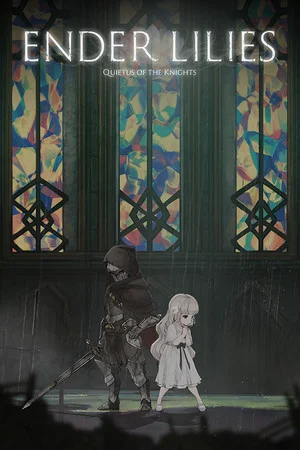





Download Dungeons & Dynasties for PC with a direct link or via torrent. Get the full version of Dungeons & Dynasties for free. Dungeons & Dynasties is a RPG released by Bretticus82.